
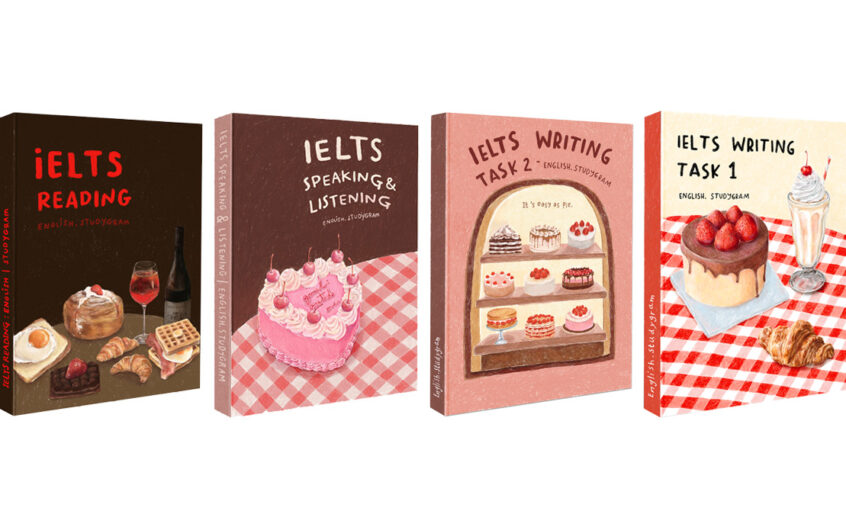

เมนูคอร์สเรียนภาษาอังกฤษ ENGLISH.STUDYGRAM
รีวิวนับพันจากนักเรียนทั้งในไทยและต่างประเทศ
คอร์สเรียน IELTS ครบทุกสกิล
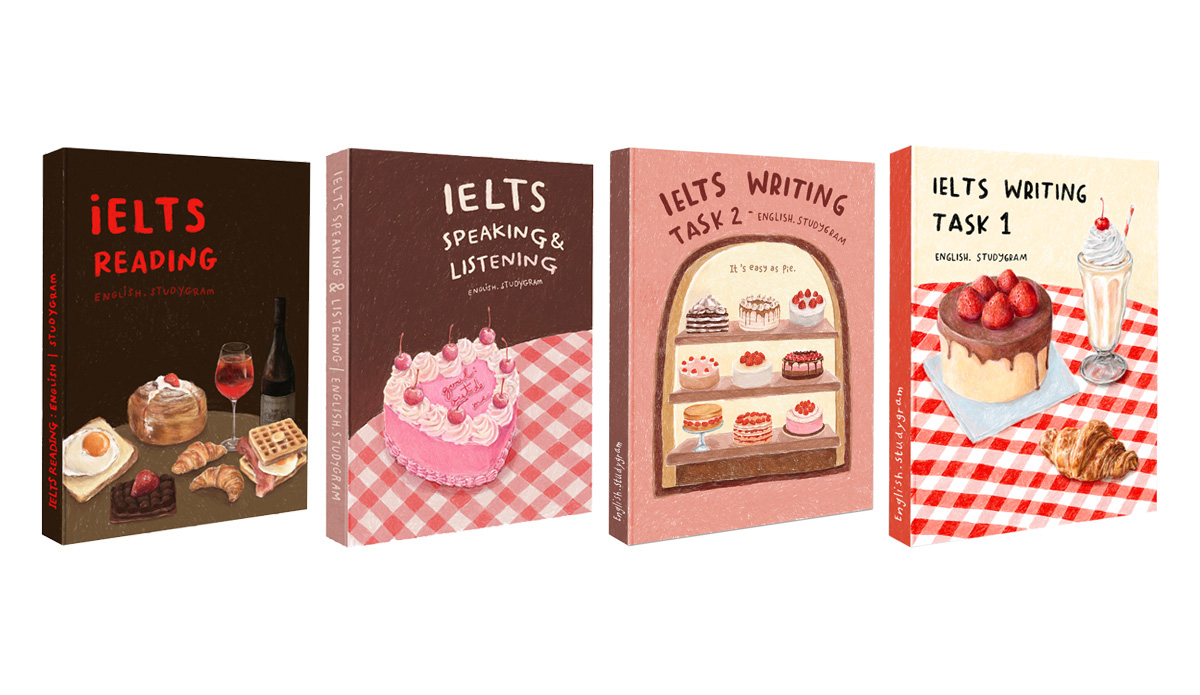
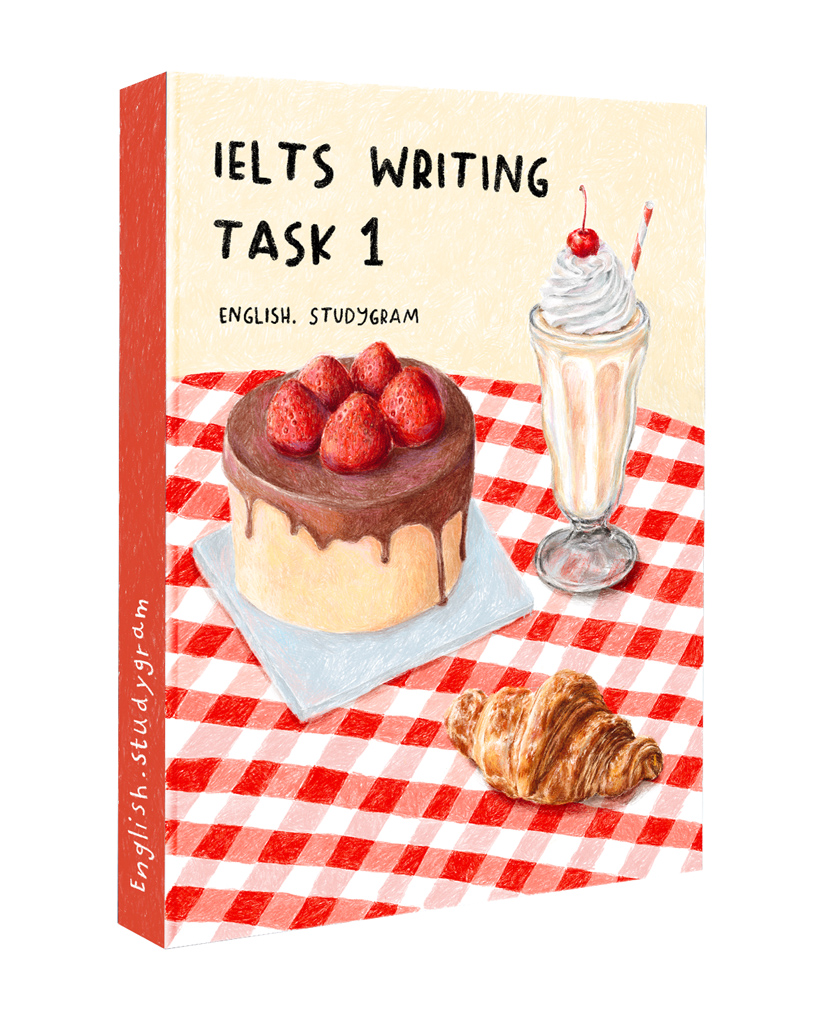
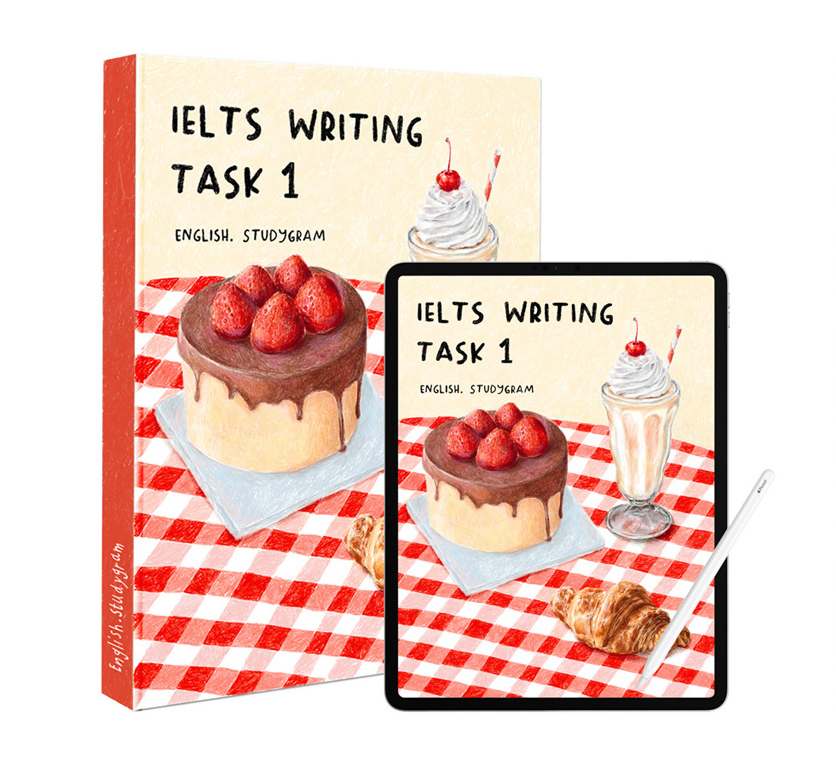
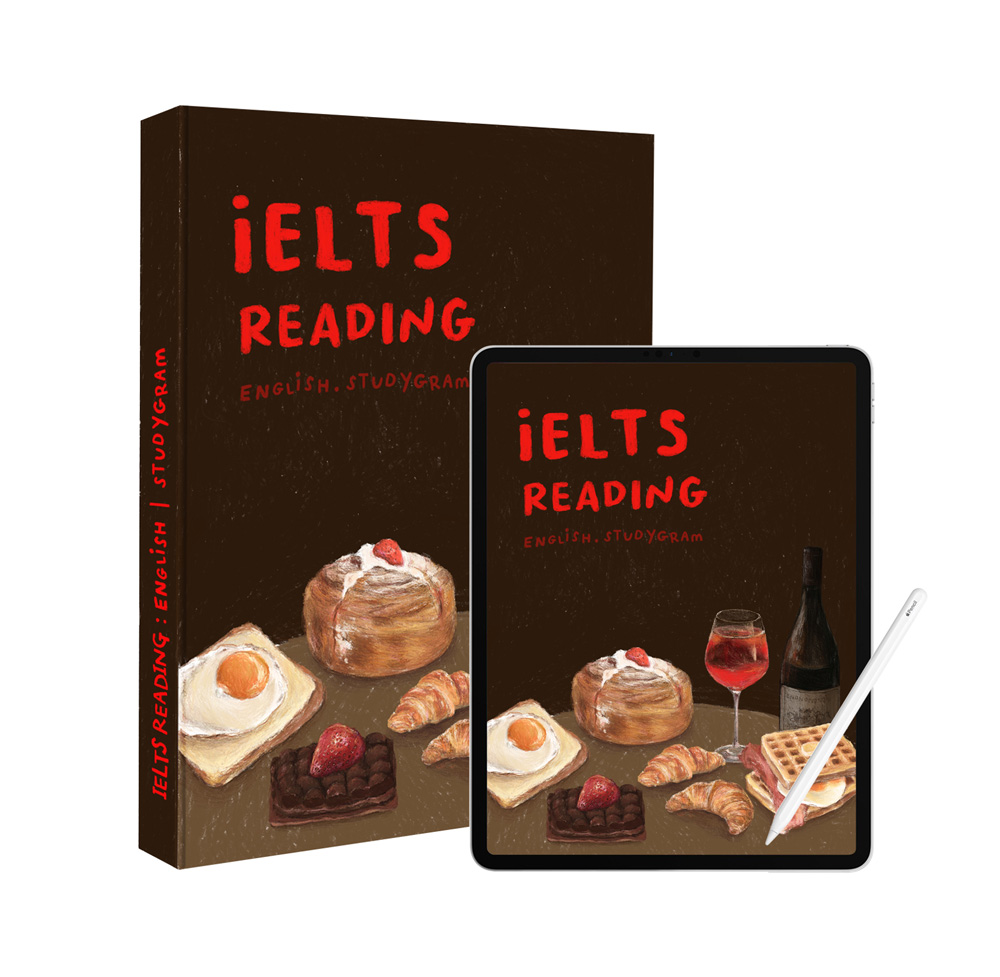
เนื้อหาแน่น เทคนิคสูตรเด็ดตลอดคอร์ส เตรียมพร้อมสอบอย่างมั่นใจ ได้หนังสือทั้ง 4 เล่ม/ 1 เซ็ท
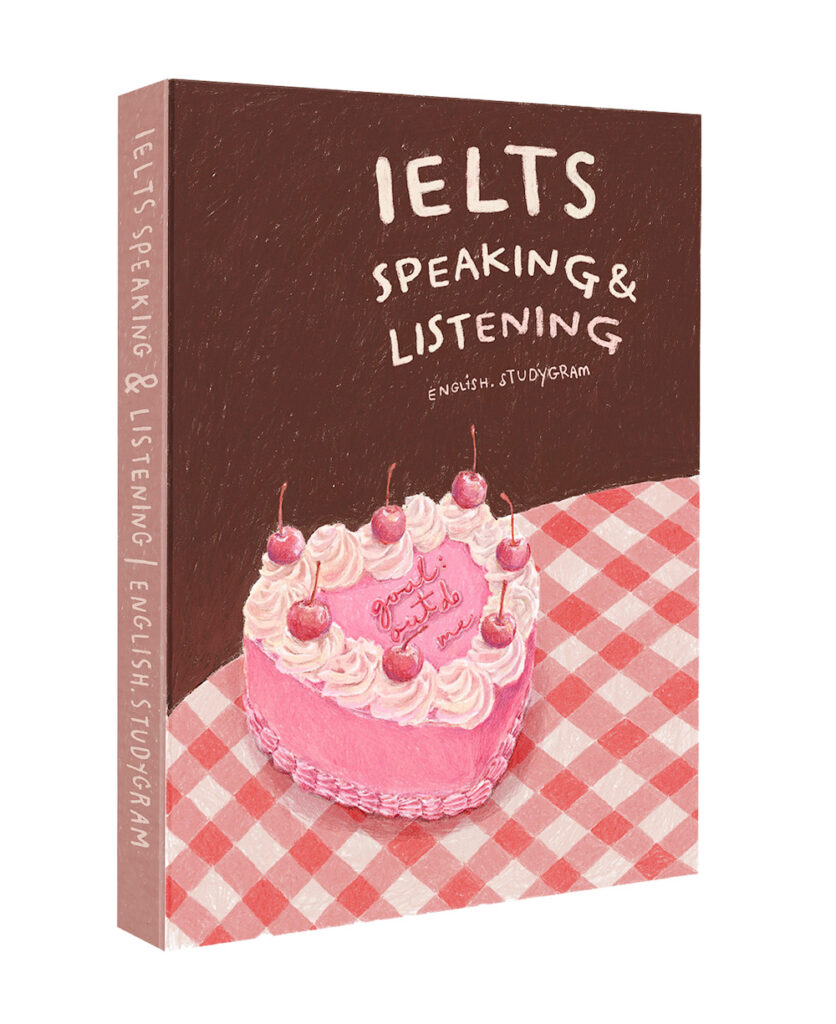
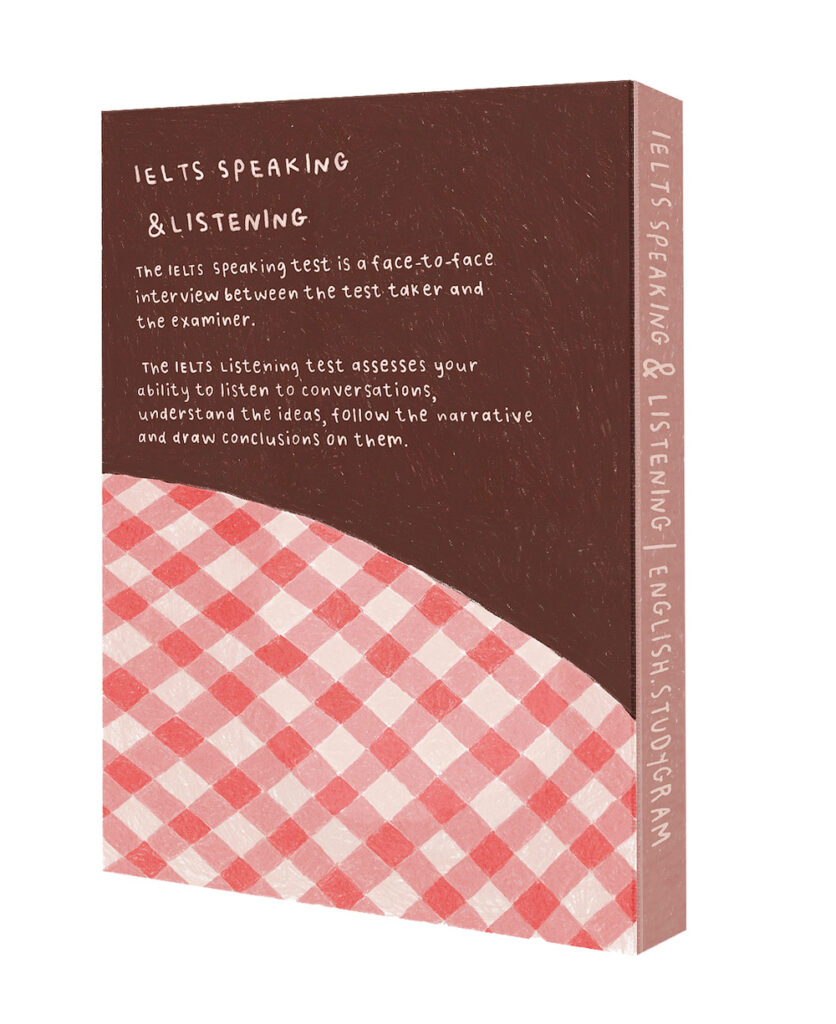
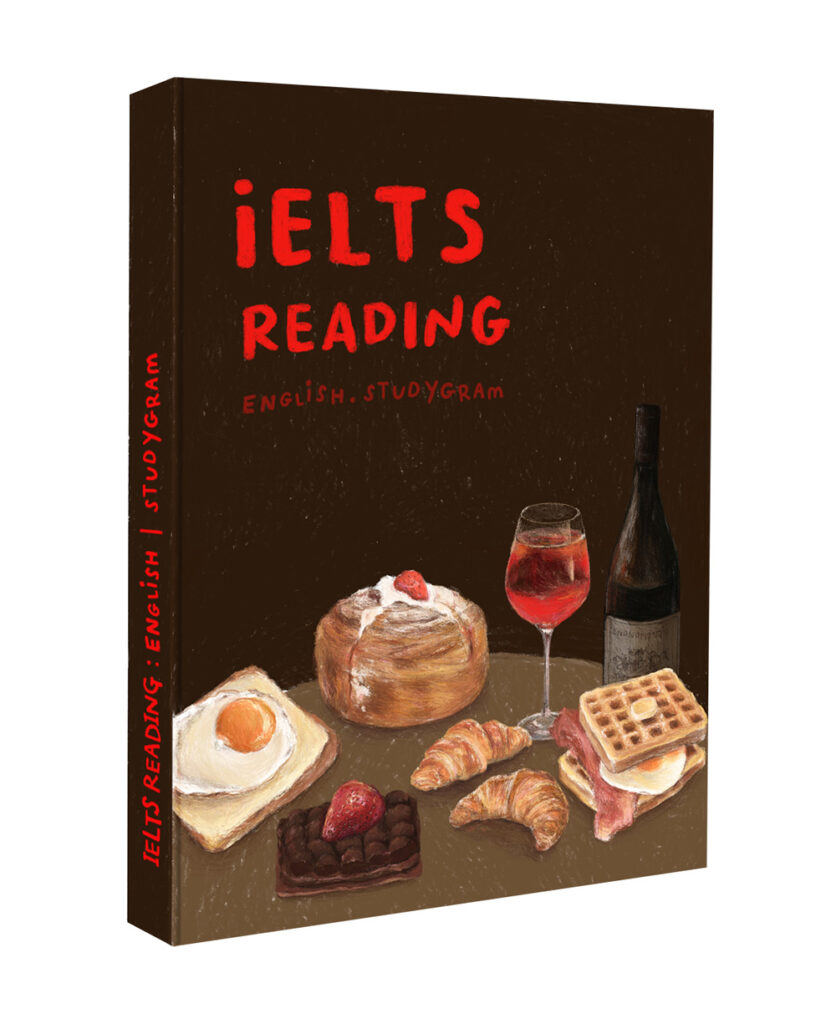
(1) IELTS LISTENING
🍰 IELTS Academic Listening: Description and Criteria
🎂 Overview
The IELTS Listening test assesses a candidate’s ability to understand spoken English in various contexts, including social and academic situations. The test lasts approximately 30 minutes, plus an additional 10 minutes for transferring answers to the answer sheet in the paper-based test (no extra time for the computer-based test).
🎂 Test Format
The IELTS Listening test consists of four sections with a total of 40 questions. Each section increases in difficulty.
- Section 1: A conversation between two speakers in a social setting (e.g., booking a hotel or inquiring about services).
- Section 2: A monologue in a social context (e.g., a tour guide giving directions or a speech about local facilities).
- Section 3: A conversation between two to four speakers in an academic setting (e.g., students discussing a project with a tutor).
- Section 4: A monologue on an academic topic (e.g., a university lecture).
The recordings are played only once, and a variety of accents (e.g., British, American, Australian) may be used.
🎂 Question Types
- Multiple-choice
- Matching
- Form, note, table, flow-chart, or summary completion
- Sentence completion
- Diagram labeling
- Short answer questions
🎂 Scoring Criteria
The test is scored out of 40 marks, and raw scores are converted into band scores (0–9).
🎂 Raw Score / Band Score
| 39–40 | 9.0 |
| 37–38 | 8.5 |
| 35–36 | 8.0 |
| 32–34 | 7.5 |
| 30–31 | 7.0 |
| 26–29 | 6.5 |
| 23–25 | 6.0 |
| 18–22 | 5.5 |
| 16–17 | 5.0 |
🎂 Key Skills Assessed
- Understanding main ideas and specific details
- Recognizing opinions and attitudes
- Following the development of an argument
- Identifying factual vs. inferred information
🎂 Tips for Success
🍒 Read the questions before the recording starts to know what to listen for.
🍒 Focus on synonyms and paraphrasing, as the exact words may not be used in the recording.
🍒 Take notes while listening, especially in longer monologues.
🍒 Check grammar and spelling when transferring answers.
🍒 Practice listening to different English accents to improve comprehension.
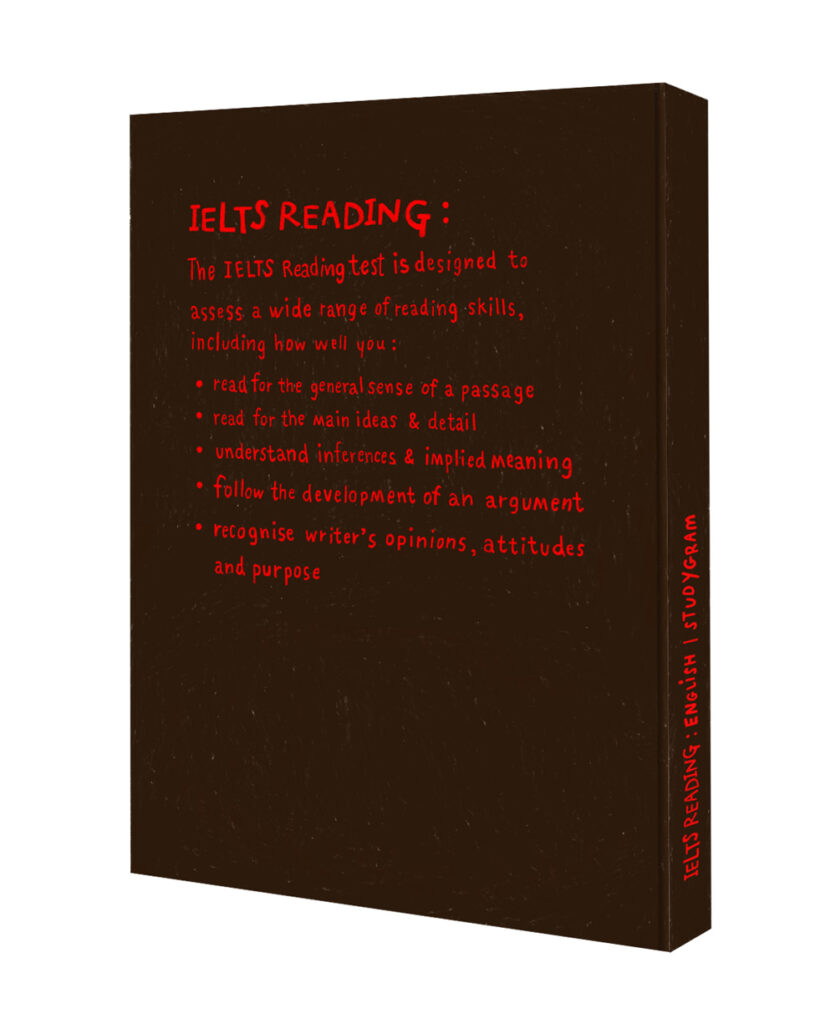
(2) IELTS READING
🎀 IELTS Academic Reading: Description and Criteria
🎀 Overview
The IELTS Academic Reading test evaluates a candidate’s ability to read and understand complex texts commonly found in academic settings. The test lasts 60 minutes and consists of three passages with a total of 40 questions. The difficulty increases progressively across the three sections.
🎀 Test Format
- The test contains three long passages, taken from books, journals, magazines, and newspapers.
- The texts may be descriptive, factual, analytical, or discursive.
- Some passages may include diagrams, graphs, or illustrations.
- The test does not require prior subject knowledge, but understanding academic vocabulary is essential.
🎀 Question Types
- Multiple-choice
- Identifying information (True/False/Not Given)
- Identifying writer’s views (Yes/No/Not Given)
- Matching headings to paragraphs
- Matching information to paragraphs
- Matching features (e.g., people, theories, or ideas)
- Matching sentence endings
- Sentence completion
- Summary, note, table, flowchart, or diagram completion
- Short answer questions
🎀 Scoring Criteria
• The test is marked out of 40, and raw scores are converted into band scores (0–9).
• Below is an approximate score conversion table:
Raw Score Band Score
| 39–40 | 9.0 |
| 37–38 | 8.5 |
| 35–36 | 8.0 |
| 33–34 | 7.5 |
| 30–32 | 7.0 |
| 27–29 | 6.5 |
| 23–26 | 6.0 |
| 19–22 | 5.5 |
| 15–18 | 5.0 |
🎀 Key Skills Assessed
- Skimming and scanning for general and specific information.
- Understanding main ideas and supporting details.
- Recognizing opinions, attitudes, and writer’s purpose.
- Following logical argument development.
- Dealing with academic vocabulary and paraphrased information.
🎀 Tips for Success
- Skim the passage first to get a general idea before reading the questions.
- Scan for keywords rather than reading everything in detail.
- Be careful with “True/False/Not Given” and “Yes/No/Not Given” questions—they require precise understanding.
- Manage time wisely—you have only 60 minutes for 40 questions.
- Practice academic reading regularly, focusing on complex texts with unfamiliar vocabulary.
(3) IELTS WRITING
The IELTS Writing test consists of two tasks and is different for the Academic and General Training versions. The total time is 60 minutes, and test takers are advised to spend 20 minutes on Task 1 and 40 minutes on Task 2.
🥐 1. IELTS Academic Writing
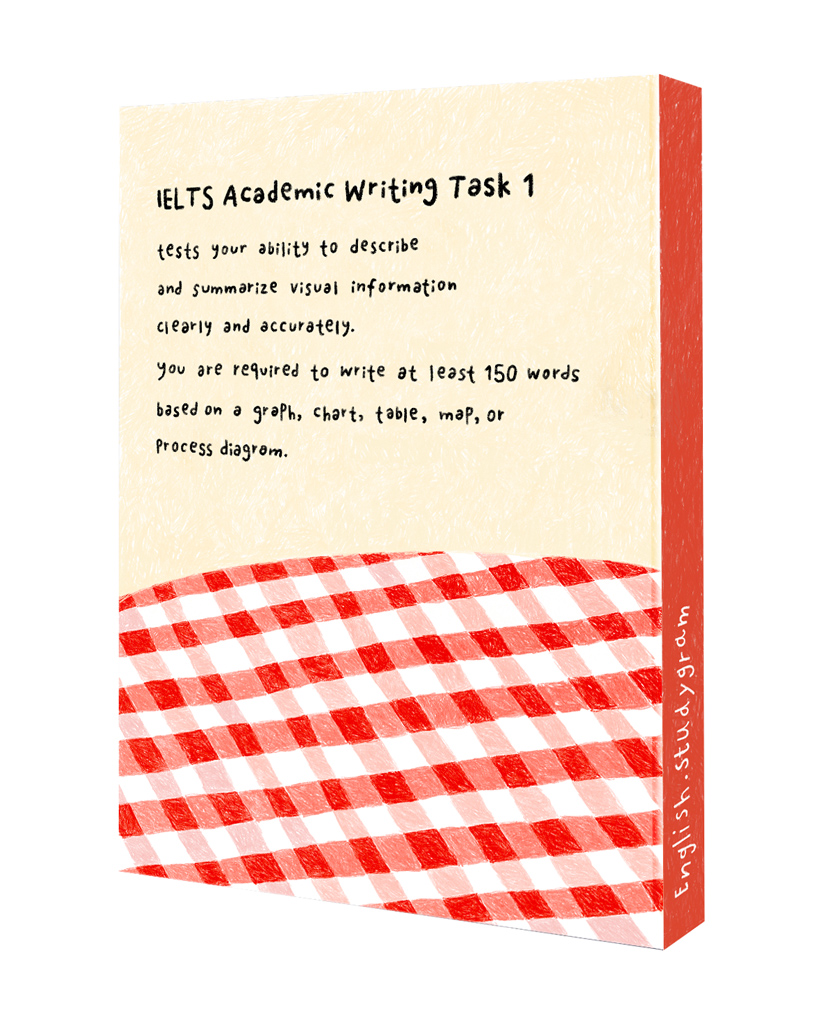
🥨 Task 1 (150 words minimum, 20 minutes)
• You will be given a visual representation of data (graph, chart, table, map, or process diagram).
• You must summarize, describe, or explain the information in a clear and coherent way.
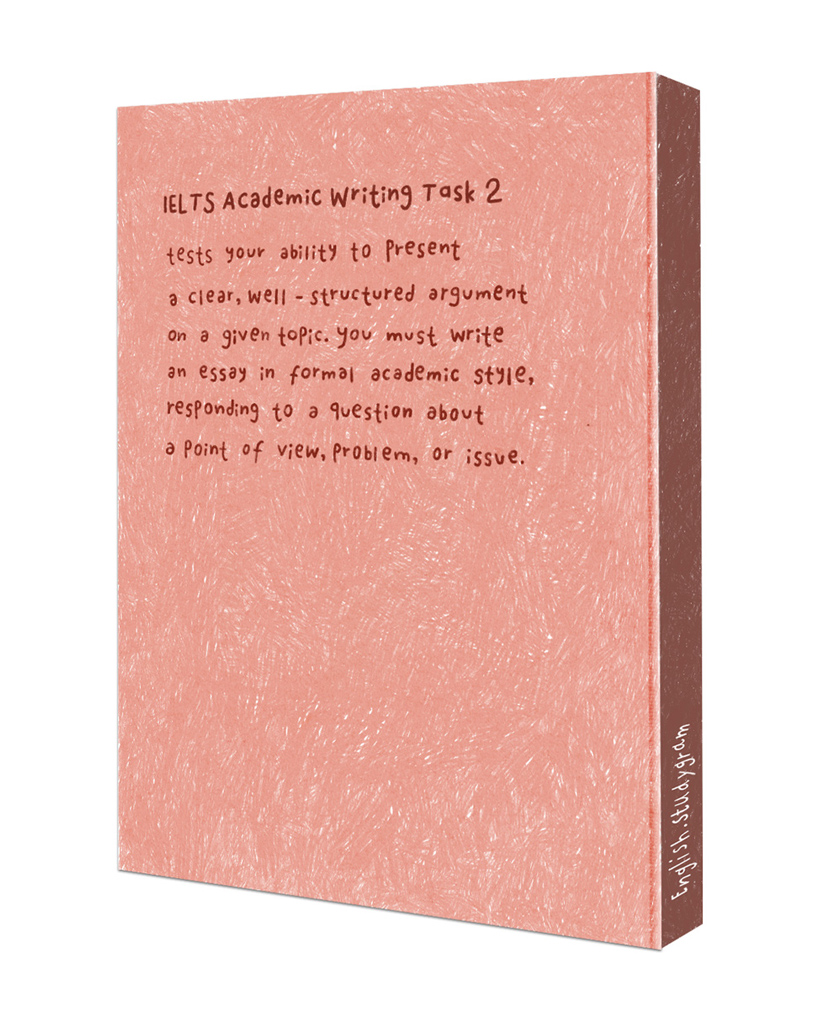
🥨 Task 2 (250 words minimum, 40 minutes)
• You must write an essay responding to a point of view, argument, or problem.
• Your response should be formal and well-structured, with clear arguments and examples.
🥐 IELTS Writing Scoring Criteria (Band Descriptors)
Your writing is assessed based on four criteria, each contributing 25% to your total score:
- Task Achievement (Task 1) / Task Response (Task 2)
• How well you address the task requirements.
• Clarity and relevance of ideas. - Coherence & Cohesion
• Logical organization of ideas.
• Effective use of linking words and paragraphing. - Lexical Resource (Vocabulary)
• Range and accuracy of vocabulary.
• Appropriate word choice and use of idiomatic language. - Grammatical Range & Accuracy
• Correct use of grammar and sentence structures.
• Variety of sentence types.
(4) IELTS SPEAKING
🩰 IELTS Speaking Test: Description & Scoring Criteria
The IELTS Speaking test is a face-to-face interview with an examiner. It lasts 11–14 minutes and is divided into three parts. The test is recorded for assessment purposes.
🩰 Structure of the IELTS Speaking Test
Part 1: Introduction & Interview (4–5 minutes)
• The examiner asks general questions about yourself, such as:
• Your home, family, work, studies, hobbies, or interests.
• The aim is to assess your ability to give natural and fluent answers in everyday conversation.
Part 2: Long Turn (3–4 minutes)
• You receive a cue card with a topic and one minute to prepare.
• You must speak for 1–2 minutes on the topic.
• The examiner may ask one or two follow-up questions.
• This part tests your ability to speak at length and organize ideas coherently.
Part 3: Discussion (4–5 minutes)
• The examiner asks more abstract and complex questions related to the Part 2 topic.
• You need to express opinions, analyze issues, and discuss ideas in depth.
• This part evaluates your ability to express and justify your views logically.
🩰 IELTS Speaking Scoring Criteria (Band Descriptors)
Your speaking performance is graded based on four criteria, each worth 25% of your score:
- Fluency & Coherence
• Ability to speak naturally and continuously.
• Logical organization of ideas.
• Use of appropriate linking words. - Lexical Resource (Vocabulary)
• Variety and accuracy of vocabulary.
• Use of idiomatic expressions.
• Ability to paraphrase effectively. - Grammatical Range & Accuracy
• Correct use of grammar and sentence structures.
• Variety of sentence types (simple, complex, compound). - Pronunciation
• Clear and understandable speech.
• Correct word stress, intonation, and rhythm.
(5) IELTS VOCAB
🍒 IELTS Vocabulary (Lexical Resource): Description & Criteria
What is Lexical Resource in IELTS?
Lexical Resource refers to your range and accuracy of vocabulary in both the Speaking and Writing sections of the IELTS test. It is one of the four scoring criteria and accounts for 25% of your total score in both skills.
🍒 Lexical Resource Assessment Criteria
- Range of Vocabulary
• Use a wide variety of words instead of repeating common ones.
• Demonstrate knowledge of both formal and informal words where appropriate.
• Show awareness of topic-specific vocabulary (e.g., technology, health, environment). - Accuracy of Word Use
• Use words in the correct context (e.g., “economic” vs. “economical”).
• Avoid word formation mistakes (e.g., “success” vs. “successful” vs. “succeed”).
• Be careful with collocations (e.g., “make a decision,” not “do a decision”). - Ability to Paraphrase
• Use synonyms and rephrase ideas instead of repeating the same words.
• Show flexibility by expressing ideas in different ways. - Use of Idiomatic Language (Speaking Only)
• Using idioms, phrasal verbs, and expressions naturally can boost your score.
• Example: Instead of saying “I am very happy,” say “I’m over the moon.”
• Be careful! Using idioms incorrectly can reduce your score.
🍒 How to Improve Your Lexical Resource Score?
🍅 For Writing:
- Learn academic and topic-specific vocabulary.
- Avoid repeating words—use synonyms and paraphrasing.
- Use precise words (e.g., “increase significantly” instead of “go up a lot”).
- Avoid informal language (e.g., use “children” instead of “kids”).
🍅 For Speaking:
- Use a mix of formal and informal vocabulary appropriately.
- Practice using idioms, collocations, and phrasal verbs.
- Try to paraphrase ideas instead of repeating words.
- Don’t force difficult words—use vocabulary you are comfortable with.
