
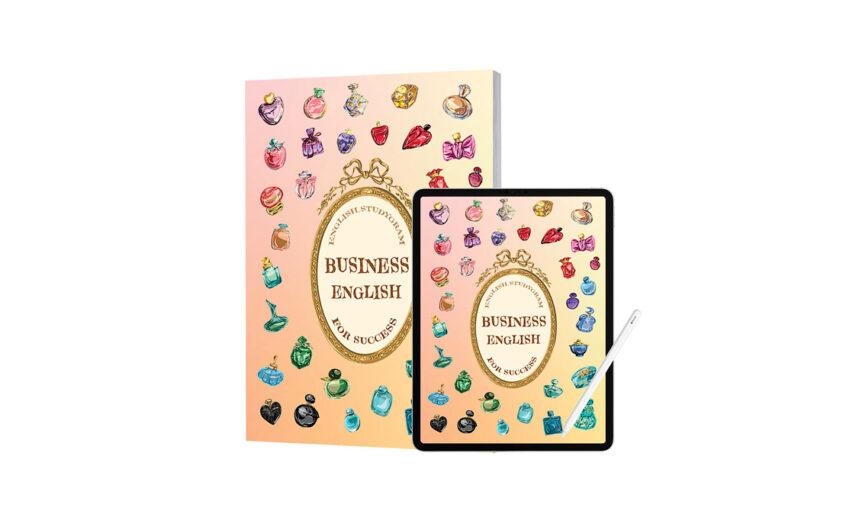

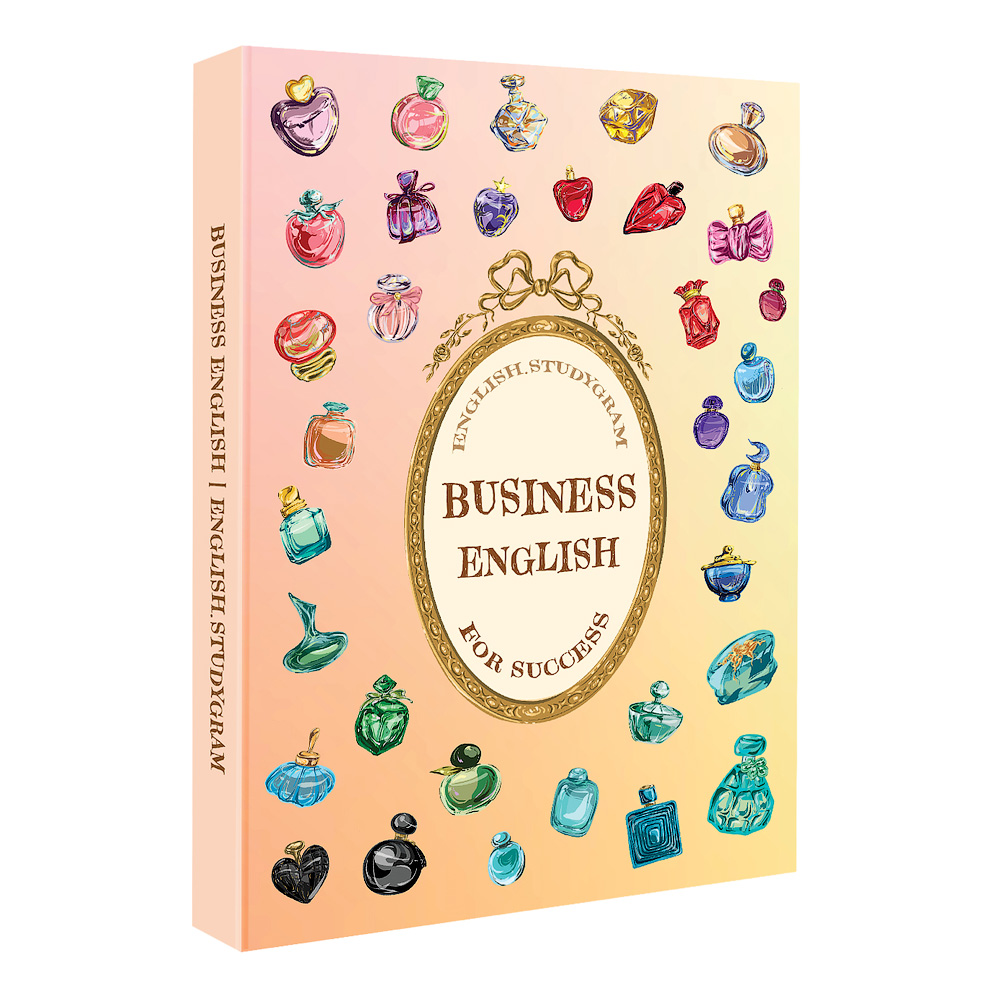

🏆 กำหนดการวางจำหน่ายช่วงปี 2027
🏆 รายละเอียดเบื้องต้นสำหรับคอร์ส “Business English (ภาษาอังกฤษเชิงธุรกิจ)” มีดังต่อไปนี้
🏆 การเขียนภาษาอังกฤษเชิงธุรกิจ (Business English) คืออะไร?
การเขียนภาษาอังกฤษเชิงธุรกิจ (Business English) เป็นสาขาหนึ่งของการเรียนภาษาอังกฤษที่มุ่งเน้นทักษะ คำศัพท์ และรูปแบบการสื่อสารที่จำเป็นสำหรับบริบททางธุรกิจและวิชาชีพ รวมถึงการสื่อสารทั้งแบบทางการและไม่ทางการในสถานที่ทำงาน การเขียนและพูดในที่ทำงาน และคำศัพท์เฉพาะในแต่ละอุตสาหกรรม จุดประสงค์ของ Business English คือเพื่อช่วยให้การสื่อสารในสภาพแวดล้อมทางธุรกิจเป็นไปอย่างมีประสิทธิภาพ เช่น ในการประชุม การเจรจา การนำเสนอ และการติดต่อสื่อสารทางจดหมาย
🏆 ลักษณะสำคัญของ Business English
1. โทนทางการ (Formal tone): เน้นความเป็นมืออาชีพในงานเขียนและการพูด
- คำศัพท์เฉพาะอุตสาหกรรม (Industry-specific vocabulary): รวมคำศัพท์ที่เกี่ยวข้องกับการเงิน การตลาด การจัดการ และสาขาอื่นๆ
- การสื่อสารที่ชัดเจนและกระชับ (Clear and concise communication): ทำให้ข้อความตรงประเด็นและเข้าใจง่าย
- การรับรู้ความแตกต่างทางวัฒนธรรม (Cross-cultural awareness): เน้นการจัดการความแตกต่างทางวัฒนธรรมในการสื่อสารทางธุรกิจระหว่างประเทศ
- มารยาททางธุรกิจ (Business etiquette): รวมถึงแนวปฏิบัติสำหรับการเขียนอีเมล การประชุม และการสร้างเครือข่าย
🏆 ตัวอย่าง 100 รูปแบบของ Business English
- คำศัพท์ภาษาอังกฤษเชิงธุรกิจ (Common Business English Vocabulary)
- การเจรจา (Negotiation)
- สัญญา (Contract)
- รายได้ (Revenue)
- ผู้มีส่วนได้ส่วนเสีย (Stakeholder)
- กระแสเงินสด (Cash flow)
- อัตรากำไร (Profit margin)
- อัตลักษณ์แบรนด์ (Brand identity)
- ส่วนแบ่งตลาด (Market share)
- ผลตอบแทนจากการลงทุน (ROI – Return on Investment)
- วัฒนธรรมองค์กร (Corporate culture)
- วลีที่ใช้บ่อยในธุรกิจ (Business English Phrases)
- “Let’s touch base.” (มาอัพเดตกัน)
- “I’ll get back to you.” (เดี๋ยวฉันจะติดต่อกลับ)
- “We need to take this offline.” (เราต้องพูดคุยเรื่องนี้นอกการประชุม)
- “Can we circle back on this?” (เราสามารถกลับมาพูดถึงเรื่องนี้อีกครั้งได้ไหม)
- “What’s the bottom line?” (ผลลัพธ์สำคัญคืออะไร)
- “Let’s table this discussion.” (พักการสนทนานี้ไว้ก่อน)
- “Keep me in the loop.” (แจ้งความคืบหน้าให้ฉันทราบด้วย)
- “Can you give me a ballpark figure?” (คุณช่วยให้ตัวเลขโดยประมาณได้ไหม)
- “That’s not in the budget.” (สิ่งนี้อยู่นอกงบประมาณ)
- “We’re on the same page.” (เราคิดตรงกัน)
- ประเภทของการสื่อสารทางธุรกิจ (Types of Business Communication)
- การเขียนอีเมล (Email writing)
- การเขียนบันทึก (Memo writing)
- ข้อเสนอทางธุรกิจ (Business proposals)
- บทสรุปผู้บริหาร (Executive summaries)
- วาระการประชุม (Meeting agendas)
- รายงานธุรกิจ (Business reports)
- การนำเสนอ (Presentations)
- ข่าวประชาสัมพันธ์ (Press releases)
- จดหมายสมัครงาน (Job application letters)
- จดหมายข่าว (Newsletters)
- แม่แบบอีเมล (Common Email Templates)
- อีเมลสอบถาม (Inquiry email)
- อีเมลร้องเรียน (Complaint email)
- อีเมลติดตาม (Follow-up email)
- อีเมลขอนัดประชุม (Meeting request email)
- อีเมลส่งข้อเสนอ (Proposal submission email)
- อีเมลยืนยันการนัดหมาย (Appointment confirmation email)
- อีเมลขอโทษ (Apology email)
- อีเมลสมัครงาน (Job application email)
- อีเมลขอข้อมูลอ้างอิง (Reference request email)
- อีเมลลาออก (Resignation email)
- เอกสารทางธุรกิจ (Business Documents)
- ใบแจ้งหนี้ (Invoice)
- ใบสั่งซื้อ (Purchase order)
- ใบเสร็จรับเงิน (Sales receipt)
- สัญญา (Contract agreement)
- งบการเงิน (Financial statement)
- งบดุล (Balance sheet)
- แผนการตลาด (Marketing plan)
- รายงานการวิเคราะห์ SWOT (SWOT analysis report)
- คู่มือพนักงาน (Employee handbook)
- รายงานประจำปี (Annual report)
- การประชุมทางธุรกิจ (Business Meetings)
- การประชุมทางการ (Formal meeting)
- การประชุมทีม (Team meeting)
- การประชุมเชิงกลยุทธ์ (Strategy meeting)
- การประชุมเริ่มโครงการ (Kickoff meeting)
- การประชุมฝ่ายขาย (Sales meeting)
- การประชุมลูกค้า (Client meeting)
- การระดมความคิด (Brainstorming session)
- การประชุมงบประมาณ (Budget meeting)
- การประชุมทบทวนผลงาน (Performance review meeting)
- การประชุมจัดการวิกฤติ (Crisis management meeting)
- ทักษะการนำเสนอ (Business Presentation Skills)
- เปิดการนำเสนอ (Opening a presentation)
- ปิดการนำเสนอ (Closing a presentation)
- ใช้สื่อภาพ (Using visuals)
- ดึงดูดผู้ฟัง (Engaging the audience)
- การตอบคำถาม (Handling Q&A sessions)
- โครงสร้างเนื้อหา (Structuring content)
- เน้นจุดสำคัญ (Delivering key points)
- การเล่าเรื่องในการนำเสนอ (Storytelling in presentations)
- การเสนอขายผลิตภัณฑ์ (Pitching a product)
- สรุปการนำเสนอ (Summarizing the presentation)
- ทักษะการเจรจา (Negotiation Skills)
- การยื่นข้อเสนอ (Making offers)
- การตอบข้อเสนอ (Counteroffers)
- การต่อรอง (Bargaining)
- การหาจุดร่วม (Finding a middle ground)
- การกำหนดเงื่อนไข (Setting terms and conditions)
- การปิดการเจรจา (Closing the deal)
- การสร้างความสัมพันธ์ (Building rapport)
- การจัดการข้อโต้แย้ง (Managing objections)
- การชี้แจงความเข้าใจผิด (Clarifying misunderstandings)
- การติดตามหลังการเจรจา (Following up after negotiation)
- การสื่อสารข้ามวัฒนธรรม (Cross-Cultural Communication)
- มารยาททางธุรกิจในวัฒนธรรมต่างๆ (Business etiquette in different cultures)
- เข้าใจความแตกต่างทางวัฒนธรรม (Understanding cultural differences)
- การสื่อสารแบบทางการและไม่ทางการ (Formal vs. informal communication)
- การบริหารเวลาในวัฒนธรรมที่แตกต่าง (Time management differences)
- การให้ของขวัญ (Gift-giving practices)
- การจัดการลำดับขั้น (Addressing hierarchy)
- มารยาทการสื่อสารที่ไม่ใช่คำพูด (Non-verbal communication norms)
- การใช้ภาษาที่เหมาะสม (Language sensitivity)
- การเขียนสำหรับผู้ชมระดับนานาชาติ (Writing for an international audience)
- การดำเนินธุรกิจระดับโลก (Conducting business globally)
- ภาษาอังกฤษสำหรับงานเฉพาะทาง (Job-Specific Business English)
- การนำเสนองานขาย (Sales pitches)
- กลยุทธ์การตลาด (Marketing strategies)
- อีเมลบริการลูกค้า (Customer service emails)
- รายงานการเงิน (Financial reporting)
- เอกสารซัพพลายเชน (Supply chain documentation)
- ข้อเสนอโครงการไอที (IT project proposals)
- การสื่อสารในระบบสุขภาพ (Healthcare communication)
- สัญญาทางกฎหมาย (Legal contracts)
- นโยบายฝ่ายทรัพยากรมนุษย์ (Human resources policies)
- แคมเปญประชาสัมพันธ์ (Public relations campaigns)
🏆 สรุป
การใช้ภาษาอังกฤษเชิงธุรกิจเป็นเครื่องมือสำคัญที่ช่วยให้การทำงานในสภาพแวดล้อมระดับมืออาชีพมีประสิทธิภาพมากขึ้น ทั้งในด้านการสื่อสาร การเจรจา และการสร้างความสัมพันธ์ในโลกธุรกิจระดับโลก.
🏆 What is Business English?
Business English refers to a specialized branch of English language learning and communication that focuses on the skills, vocabulary, and styles needed for business and professional contexts. It includes formal and informal interactions in the workplace, written and verbal communication, and industry-specific terminology. The purpose of Business English is to facilitate effective communication in professional environments such as meetings, negotiations, presentations, and correspondence.
🏆 Key Features of Business English
1. Formal tone: Emphasizes professionalism in writing and speaking.
- Industry-specific vocabulary: Includes terms relevant to finance, marketing, management, and other business fields.
- Clear and concise communication: Ensures messages are direct and easy to understand.
- Cross-cultural awareness: Addresses cultural differences in international business communication.
- Business etiquette: Includes conventions for email, meetings, and networking.
🏆 100 Examples of Business English
- Common Business English Vocabulary
- Negotiation
- Contract
- Revenue
- Stakeholder
- Cash flow
- Profit margin
- Brand identity
- Market share
- ROI (Return on Investment)
- Corporate culture
- Business English Phrases
- “Let’s touch base.”
- “I’ll get back to you.”
- “We need to take this offline.”
- “Can we circle back on this?”
- “What’s the bottom line?”
- “Let’s table this discussion.”
- “Keep me in the loop.”
- “Can you give me a ballpark figure?”
- “That’s not in the budget.”
- “We’re on the same page.”
- Types of Business Communication
- Email writing
- Memo writing
- Business proposals
- Executive summaries
- Meeting agendas
- Business reports
- Presentations
- Press releases
- Job application letters
- Newsletters
- Common Email Templates
- Inquiry email
- Complaint email
- Follow-up email
- Meeting request email
- Proposal submission email
- Appointment confirmation email
- Apology email
- Job application email
- Reference request email
- Resignation email
- Business Documents
- Invoice
- Purchase order
- Sales receipt
- Contract agreement
- Financial statement
- Balance sheet
- Marketing plan
- SWOT analysis report
- Employee handbook
- Annual report
- Business Meetings
- Formal meeting
- Team meeting
- Strategy meeting
- Kickoff meeting
- Sales meeting
- Client meeting
- Brainstorming session
- Budget meeting
- Performance review meeting
- Crisis management meeting
- Business Presentation Skills
- Opening a presentation
- Closing a presentation
- Using visuals
- Engaging the audience
- Handling Q&A sessions
- Structuring content
- Delivering key points
- Storytelling in presentations
- Pitching a product
- Summarizing the presentation
- Negotiation Skills
- Making offers
- Counteroffers
- Bargaining
- Finding a middle ground
- Setting terms and conditions
- Closing the deal
- Building rapport
- Managing objections
- Clarifying misunderstandings
- Following up after negotiation
- Cross-Cultural Communication
- Business etiquette in different cultures
- Understanding cultural differences
- Formal vs. informal communication
- Time management differences
- Gift-giving practices
- Addressing hierarchy
- Non-verbal commun


